

Introduction
For UK businesses and organisations, understanding the difference between domestic furniture and commercial furniture is essential when furnishing professional environments.
While furniture may appear similar in design or comfort, the purpose, construction standards, durability, compliance requirements, and expected lifespan can vary significantly. Choosing the wrong type of furniture can lead to faster wear, safety concerns, and potential regulatory issues.
Commercial furniture, often referred to as contract furniture, is designed specifically for high-use settings such as hotels, restaurants, workplaces, healthcare environments, and public spaces. Domestic furniture is designed primarily for residential use, where usage levels are lower and safety requirements differ.
This guide explains the key differences so buyers and specifiers can make informed long-term decisions.
What Is Commercial Furniture?

Commercial furniture, also known as contract furniture UK, is manufactured specifically for demanding environments where furniture is used continuously by many people.
Typical commercial settings include:
- Hotels and serviced apartments
- Restaurants, bars, and cafés
- Offices and workplace environments
- Healthcare facilities and care homes
- Educational buildings and public spaces
Commercial furniture is engineered to withstand constant daily use. It often features reinforced frames, stronger joints, and commercial-grade finishes designed for longevity.
Commercial upholstered products are also subject to stricter safety standards, including enhanced fire resistance requirements such as Crib 5 fabrics, which are essential in many hospitality and healthcare projects.
Because of this, commercial furniture is typically considered a long-term investment rather than a short-term furnishing solution.
What Is Contract Furniture? A Complete Guide
What is Domestic Furniture?
Domestic furniture is designed for private residential settings such as living rooms, bedrooms, and home dining spaces.
In home environments, furniture is generally used by fewer people and experiences less physical stress. Domestic furniture often prioritises comfort, style, and affordability rather than heavy-duty structural performance.
While domestic furniture must meet certain UK fire safety regulations, these are usually less demanding than commercial standards. Domestic furniture is typically tested against cigarette and match ignition sources rather than the higher ignition sources required in public buildings.
As a result, domestic furniture is rarely suitable for commercial environments where usage is continuous and compliance requirements are stricter.
Key Differences Between Commercial and Domestic Furniture
Durability and Structural Strength
Durability is one of the most important differences.
Commercial furniture is designed for high-traffic environments where furniture may be in near-constant use. It is built with:
- Stronger internal frames
- Reinforced joints
- Heavy-duty materials
- Greater weight-load tolerance
Domestic furniture is designed for occasional residential use. When placed in commercial environments, it is more likely to wear quickly, fail structurally, or require frequent repairs.
Commercial durability provides better long-term value despite higher initial cost.
Materials and Manufacturing Quality
Commercial furniture uses higher-grade materials to ensure performance over time, including:
- Reinforced metals
- Solid hardwoods
- Commercial laminates and surfaces
- Stain-resistant upholstery fabrics
Commercial outdoor furniture is also manufactured using weather-resistant materials designed to withstand exposure in hospitality terraces and public spaces.
Domestic furniture often uses lighter construction and materials suitable for home use, but not designed for continuous commercial wear.
Upholstery Durability and Abrasion Testing
Another important difference between domestic and commercial furniture is the durability of upholstery fabrics.
In contract environments such as hotels, restaurants, and public spaces, fabrics must withstand constant daily use. For this reason, commercial upholstery is typically specified with a much higher abrasion resistance rating, measured by the Martindale rub test.
As a general guide:
- Commercial contract fabrics often have a minimum rub test of 40,000 or higher
- Domestic upholstery fabrics may only achieve around 5,000 rubs, as they are designed for lighter residential use
This difference is significant. In high-traffic hospitality environments, low-rated domestic fabrics can quickly show wear, fading, or damage, leading to premature replacement.
Specifying commercial-grade upholstery ensures furniture maintains its appearance and performance over many years of intensive use.
Fire Safety and UK Compliance Standards
Fire compliance is one of the most critical differences between domestic and commercial furniture in the UK.
Domestic furniture generally meets basic residential fire regulations designed for private homes.
Commercial furniture is frequently required to meet enhanced standards for use in public buildings and hospitality environments. This often includes:
- Crib 5 fire rated fabrics for upholstery
- CMHR foam (Combustion Modified High Resilience), which is specifically designed for contract and commercial use
- Contract-grade fire safety compliance for hotels, care homes, leisure venues, and workplaces
Using domestic furniture in commercial environments can create serious compliance and insurance risks, particularly where fire safety standards are mandatory.
Testing and Performance Certification
Commercial furniture undergoes more extensive testing to ensure reliability under heavy use, including:
- Load and weight testing
- Stability testing
- Fatigue testing
- Upholstery abrasion resistance
- Surface resistance testing against liquids and heat
Domestic furniture testing is designed for safe home use, but not for continuous public or hospitality usage levels.
Hygiene and Maintenance Requirements
Commercial furniture is designed to withstand frequent cleaning, particularly in:
- Restaurants and cafés
- Hotels and leisure venues
- Healthcare and care environments
- Schools and public buildings
Commercial materials are often chosen for resistance to stains, liquids, and cleaning chemicals.
Domestic furniture is not typically designed for intensive maintenance cycles and may degrade faster under commercial cleaning conditions.
Cost Differences and Long-Term Value
Commercial furniture usually has a higher upfront cost because of:
- Stronger materials and construction
- Fire safety compliance
- Rigorous durability testing
- Long-term performance expectations
However, domestic furniture often requires replacement much sooner when used in demanding environments.
For many businesses, commercial furniture provides better value over time due to reduced replacement costs and longer lifespan.
Common Problems When Domestic Furniture is Used in Commercial Settings
A common issue in hospitality and workplace fit-outs is the use of domestic furniture in environments where contract-grade performance is required.
While domestic furniture may look similar initially, it can quickly lead to problems such as:
- Rapid wear and tear in high-traffic areas
- Upholstery damage from frequent cleaning
- Structural failure under constant daily use
- Non-compliance with fire safety regulations
- Increased replacement costs within a short period
In restaurants, hotels, and shared commercial spaces, furniture must be designed for continuous use. Contract furniture helps operators avoid these risks while maintaining consistent quality and safety standards.
Commercial Furniture Requirements in Hotels and Restaurants
Hospitality environments place some of the highest demands on furniture. In hotels, bars, and restaurants, furniture must combine design appeal with contract performance.
Hospitality furniture must often provide:
- Comfort for guests over extended periods
- Strong resistance to spills, staining, and cleaning chemicals
- Compliance with Crib 5 upholstery standards
- Durable frames that withstand constant movement
- Consistent quality across multiple rooms or venues
This is why hospitality projects typically require specialist contract furniture suppliers rather than domestic retail products.
Workplace Furniture and Ergonomic Expectations
Commercial workplace furniture is designed to:
- Support staff comfort during long periods of use
- Meet ergonomic guidance for posture and productivity
- Withstand heavy daily use in shared environments
- Maintain professional appearance over time
Domestic furniture is not designed for these workplace demands, particularly in breakout zones, meeting rooms, and collaborative areas where usage is continuous.
Sustainability and the Lifecycle of Commercial Furniture
Sustainability in contract furniture is increasingly linked to product lifespan. Furniture that lasts longer reduces waste, replacement cycles, and overall environmental impact.
Commercial furniture supports sustainability through:
- Durable construction that extends years of use
- Repairable components such as replaceable upholstery
- Reduced disposal compared with short-life domestic products
- Responsible sourcing and manufacturing practices
For commercial projects aiming to meet sustainability goals, contract furniture is often the most environmentally responsible choice in the long term.
Legal and Insurance Considerations for UK Businesses
In the UK, using domestic furniture in commercial settings may create liability risks.
If furniture does not meet the required commercial safety standards, businesses can face:
- Insurance complications
- Regulatory compliance issues
- Increased legal exposure in the event of incidents
This is why many organisations work with specialist contract furniture suppliers to ensure appropriate standards are met.
Where Commercial Furniture is Commonly Used
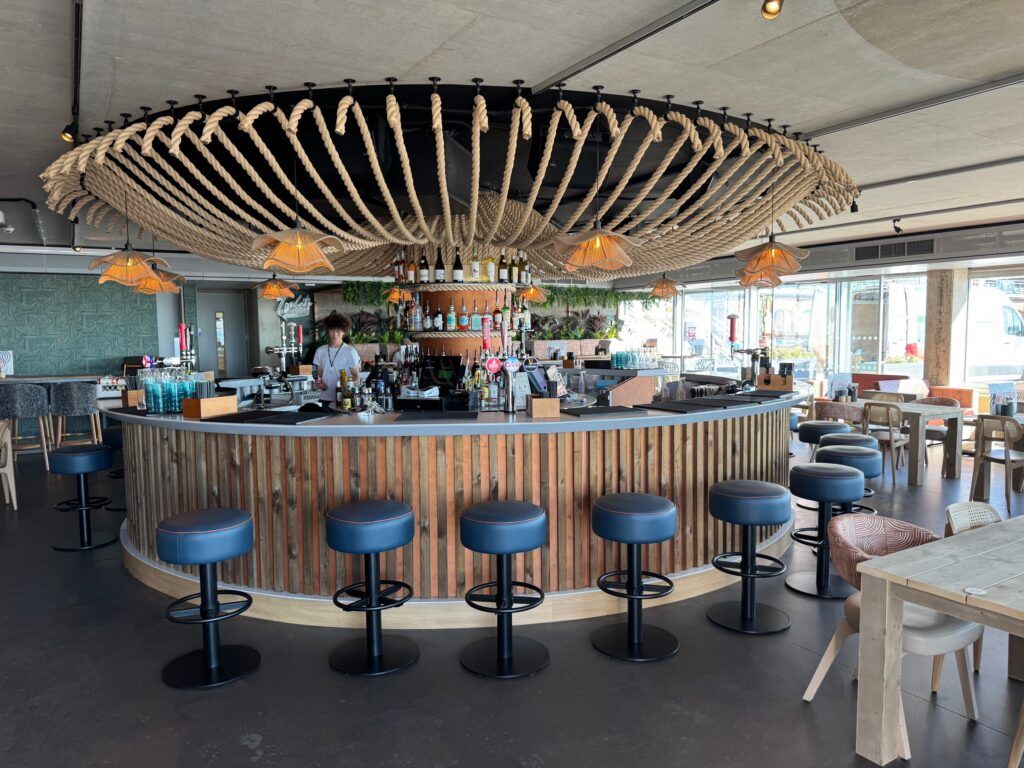
Commercial furniture is essential in environments where durability and compliance are required, including:
- Hospitality venues
- Workplace interiors
- Healthcare and care settings
- Leisure and entertainment venues
- Public waiting areas and shared environments
Domestic furniture is primarily suitable for homes and residential settings where usage is lighter and more predictable.
Why Businesses Choose Commercial Furniture
Businesses choose contract furniture because it supports:
- Long-term durability
- Safety compliance
- Professional brand presentation
- Lower replacement and maintenance costs
- Suitability for shared high-use spaces
Contract furniture is designed to perform reliably under conditions that domestic furniture is not built to handle.
Conclusion
Understanding the difference between commercial furniture and domestic furniture is essential for UK buyers, specifiers, and businesses.
Commercial furniture is engineered for durability, compliance, and long-term performance in demanding environments such as hotels, restaurants, workplaces, and healthcare spaces.
While domestic furniture may be less expensive initially, contract furniture often provides significantly better long-term value through durability, safety standards, and reduced replacement cycles.
If you are furnishing a commercial space, choosing contract-quality furniture is a strategic investment in safety, longevity, and performance.
Dynamic Contract Furniture supports hospitality, workplace, and commercial projects across the UK with furniture built for high-traffic professional environments.
Explore our ranges:
Or contact our team to discuss your next project.
FAQs
What is commercial furniture?
Commercial furniture is designed for high-use environments such as offices, restaurants, hotels, and public spaces, built to meet strict safety and durability standards.
What is domestic furniture?
Domestic furniture is designed for residential use, where usage levels are lower and compliance requirements are less demanding.
Can domestic furniture be used in commercial environments?
Domestic furniture is generally not suitable for commercial use because it may not meet required durability and fire safety standards.
Why is commercial furniture more expensive?
Commercial furniture costs more due to stronger materials, enhanced construction, and extensive compliance testing.
What is contract furniture in the UK?
Contract furniture refers to furniture designed specifically for commercial use and manufactured to meet UK regulatory standards.
What fire standards apply to commercial furniture?
Commercial furniture often needs to meet higher fire resistance standards such as Crib 5 testing.
Do hotels legally require Crib 5 fabrics?
In most UK hospitality settings, yes. Hotels and public buildings typically require Crib 5 fire rated upholstery to meet commercial fire safety regulations.
What is CMHR foam in commercial furniture?
CMHR stands for Combustion Modified High Resilience foam. It is a fire rated foam commonly used in contract furniture for hotels, restaurants, healthcare, and other commercial spaces where enhanced fire safety compliance is required.
How long does commercial furniture typically last?
Contract furniture can last 10 to 15 years or more in high-traffic environments when correctly specified.
Is commercial furniture worth the investment?
Yes, commercial furniture usually provides better long-term value because it lasts longer and requires less frequent replacement.
What is the rub test for commercial furniture fabrics?
Commercial upholstery fabrics are measured using the Martindale rub test. Contract fabrics for hospitality environments often require a minimum of 40,000 rubs, compared to domestic fabrics which may only achieve around 5,000 rubs.