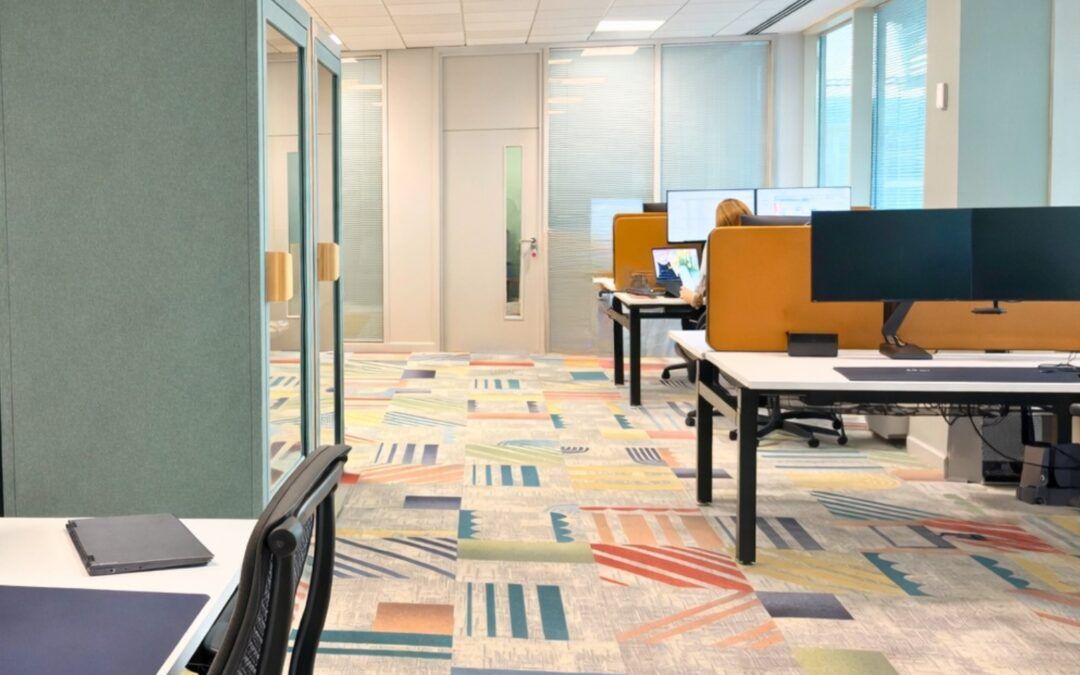
The modern office has evolved far beyond rows of desks and standard meeting rooms. Businesses across the UK are rethinking how their workplaces function, recognising that office environments play a significant role in employee wellbeing, productivity and collaboration.
As specialists in workplace furniture UK projects, at Dynamic Contract Furniture, we have seen a clear shift towards creating spaces that support different working styles rather than forcing employees into a single way of working.
Modern offices are now expected to accommodate focused work, collaborative meetings, informal conversations and hybrid working patterns, often within the same space. This evolution is influencing every furniture decision, from seating and storage to breakout areas and flexible workstations.
What Furniture Trends Are Shaping Modern UK Workplaces?
Flexibility remains one of the most influential workplace trends. Businesses want environments that can adapt quickly as teams expand, projects evolve and working habits change. Rather than investing in rigid layouts that may become restrictive over time, organisations are increasingly choosing furniture solutions that offer versatility and longevity.
Modular furniture systems, movable seating arrangements and multifunctional tables, for example, allow spaces to be reconfigured with minimal disruption. This flexibility is particularly valuable for businesses that need to accommodate both in-office and hybrid working arrangements.
At the same time, more organisations are introducing informal areas throughout the workplace. Comfortable lounge seating, collaborative booths and relaxed meeting zones encourage communication and creativity while maintaining a professional appearance. These developments are helping define what many consider to be the best contract furniture solutions for today’s workplaces.
How Important Is Employee Wellbeing In Furniture Selection?
Employee wellbeing has become one of the most important factors influencing workplace design. Businesses increasingly understand that comfortable employees are often more productive, engaged and motivated in their roles. As a result, ergonomic furniture has moved from being a desirable extra to an essential component of workplace planning.
Adjustable seating, supportive task chairs and height-adjustable desks are now common features within modern office environments. These solutions help employees maintain better posture, reduce physical strain and support healthier working habits throughout the day. However, wellbeing extends beyond ergonomics alone. Many organisations are also creating environments that offer greater choice and flexibility, allowing employees to work in spaces that suit different tasks and preferences.
Furniture is being used to establish quiet areas for concentration, collaborative zones for teamwork and comfortable breakout spaces for informal discussions. The most successful workplaces recognise that people work differently, and the furniture they select should support a variety of working styles rather than imposing a one-size-fits-all approach.
What Makes A Workplace Feel More Collaborative?
Collaboration remains a key objective for many businesses, particularly as teams balance office-based and remote working. While technology enables communication across locations, physical workplaces still play a vital role in bringing people together and encouraging meaningful interaction.
The modern workplace furniture we supply helps support this goal by creating spaces where collaboration can happen naturally. Open meeting areas, shared tables and flexible seating arrangements all encourage employees to connect, exchange ideas and work together more effectively. Importantly, collaborative environments do not necessarily require large formal meeting rooms.
In many workplaces, smaller breakout areas and informal seating zones prove more effective for spontaneous conversations, quick project discussions and creative problem-solving sessions.
Successful workplaces strike a balance between teamwork and individual productivity, ensuring neither is compromised.
How Is Technology Influencing Furniture Design?
Technology is now fully integrated into modern workplace design, and contract furniture is evolving to support these changing requirements. Employees expect seamless access to power, connectivity and digital collaboration tools regardless of where they choose to work within an office.
This has led to increased demand for furniture that incorporates practical technology solutions without compromising aesthetics. Meeting tables with integrated power access, workstations with effective cable management, and collaborative furniture designed around digital tools are all becoming increasingly popular.
At the same time, there is a growing emphasis on simplicity. The most effective furniture designs allow technology to enhance productivity while maintaining clean, organised and visually appealing environments.
What Does The Future Of Workplace Furniture UK Look Like?
The future of the workplace furniture UK offices use is likely to be shaped by three key principles: adaptability, wellbeing and sustainability. Businesses are moving away from rigid office layouts and embracing spaces that can respond to changing workforce expectations and business priorities.
The workplace furniture UK companies invest in will continue to play a central role in supporting flexible working patterns, encouraging collaboration, and improving employee experiences. Wellness-focused design is also expected to remain a priority, with ergonomic furniture, comfortable breakout spaces and employee-centred layouts becoming standard features rather than optional additions.
For organisations seeking long-term value, the focus will remain on quality, durability and versatility. These qualities define the products we supply and deliver at Dynamic Contract Furniture, and continue to influence how commercial spaces are designed across the UK.
As workplace expectations continue to evolve, the best contract furniture will do far more than fill a space. It will help shape how people work, interact, and perform every day, making it one of the most important investments a business can make in its future success.
The goal is no longer simply furnishing an office, but creating a workspace that actively supports your employees’ performance, engagement and long-term comfort.