

When you’re building or refreshing a restaurant, there’s a lot to consider. The menu, the team, the location, each piece matters. And then there’s the furniture, which often gets overlooked until you realise it’s the silent partner in your entire guest experience. It shapes how people feel in your space, how long they linger, and whether they come back.
Choosing commercial furniture might seem straightforward, but it’s a decision that deserves your attention. Not because it’s complicated, but because it touches everything, from your bottom line to your customers’ comfort to whether your staff can actually do their jobs well.
What Restaurant Furniture Really Does for Your Business
Restaurant furniture isn’t just seating and tables. It’s an investment in how your business functions. Unlike a residential sofa, which might see the same family for years, commercial furniture is subjected to constant use, different people every day, spills, movement, and sometimes rough handling.
The best hospitality furniture suppliers understand this isn’t just about durability (though that matters). It’s about creating spaces that feel right. A chair that looks beautiful but forces guests into uncomfortable positions affects how long they stay and whether they enjoy themselves. A table that wobbles slightly erodes the polish of an otherwise excellent experience.
There’s a reason some spaces feel effortless, and others feel tired; it comes down to choices made long before the doors opened.
Different Approaches to Sourcing Commercial Furniture
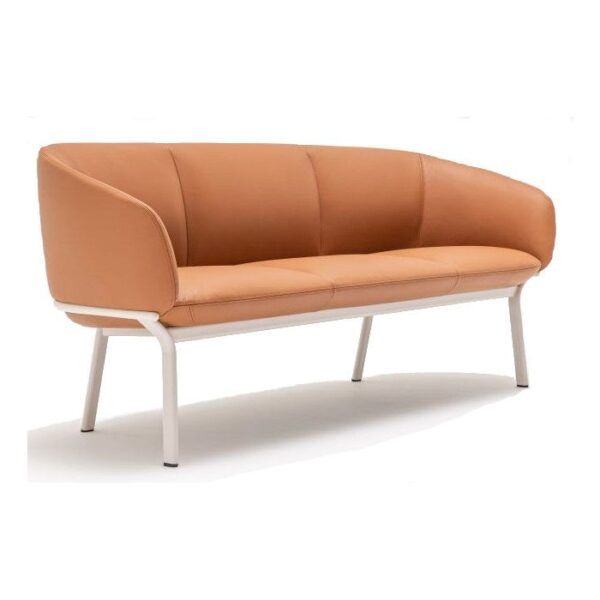
Not every restaurant needs the same solution, and that’s worth acknowledging upfront.
Off-the-shelf options work beautifully when you’re looking for standard pieces that do the job well. You get quick delivery, predictable pricing, and simplicity. This is perfectly valid, especially if you’re opening quickly or working with tight constraints.
Custom manufacturing opens different doors, literally and figuratively. When you have a vision for something specific, when your space has character you want to honour, when you’re creating something that shouldn’t look like everywhere else, custom furniture makers deliver precisely that. Yes, it takes longer and costs more. But the result is uniquely yours, tailored to match your brand identity and vision.
Specialised contract furniture suppliers occupy a middle ground. They understand the technical requirements, fire safety standards, durability benchmarks, and hospitality regulations, and they’re also considering your specific needs. They’ve worked with enough venues to know which approaches actually work and which only look good in showrooms.
What Actually Matters When Choosing Contract Furniture
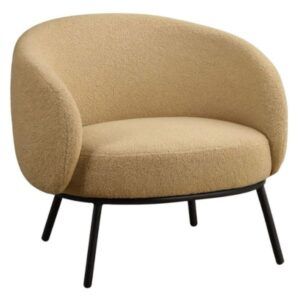

Build quality is where durability lives. The frame is everything. Solid hardwood or welded steel frames simply outlast cheaper alternatives. Joints that are properly constructed, mortised, tenoned, or welded won’t start shifting after a year. You can ask suppliers to show you examples, hold pieces, and understand what you’re getting. Good suppliers are happy to demonstrate their craftsmanship.
Fire safety standards aren’t negotiable, but they’re not mysterious either. UK hospitality spaces have specific requirements, and any supplier worth working with can explain what their products meet and provide documentation to prove it. This isn’t about checking boxes; it’s about making sure your space is genuinely safe and compliant.
Comfort and functionality shape your choices more than you might think. A bar stool at the wrong height is genuinely uncomfortable. A chair with insufficient back support doesn’t just feel cheap; it actually affects how long customers want to stay. These details matter because they’re experienced by real people, every single day.
Consider the whole cost picture, not just the sticker price. A very inexpensive chair that needs replacing every year is actually more expensive than a better-made one lasting five years. Many suppliers offer flexible payment terms that help you manage cash flow while still sourcing quality pieces. Some can create package deals that are more cost-effective than buying piece by piece.
Delivery and installation logistics matter for your sanity. The best furniture in the world doesn’t help if it arrives at the wrong time or requires installation expertise you don’t have. Suppliers who coordinate around your timeline and handle professional installation are worth their weight in gold. Many offer project management support that takes complexity off your plate.
Bar Furniture vs. Restaurant Seating: Understanding the Differences

Bar furniture is distinct from restaurant seating, both aesthetically and functionally. Height, footrests, stability, and base weight all shift based on how people will use the space. A bar stool needs different considerations than a dining chair. A high table requires a weighted base to prevent tipping while maintaining an aesthetic suited to your bar environment.
Similarly, café, pub, and hotel furniture each has unique requirements. Working with someone who understands these distinctions and can recommend appropriate products for different venue areas makes a real difference in how your space functions.
Creating Outdoor Hospitality Spaces
Creating an inviting outdoor dining area transforms the customer experience at your restaurant, café, or hotel. Many proprietors underestimate how much an outdoor space can expand their business capacity and appeal.
Commercial outdoor furniture requires different specifications than indoor pieces. Weather resistance, weight, wind stability, and durability under UV exposure are all more important. Quality commercial outdoor furniture is designed specifically for these demands, ensuring your alfresco spaces are as stylish and functional as your interiors.
Think about the sightlines in your outdoor space. How does furniture affect flow and atmosphere? Does it support the experience you’re creating? Experience across different venue types actually adds value; professionals have seen what works and what doesn’t in comparable spaces.
Making the Right Decision

References are gold. If a supplier has worked with restaurants similar to yours, ask to see those spaces. See how their furniture performs under real conditions. Talk to the operators about responsiveness and support. Real-world performance tells you more than any brochure.
Test pieces if you can. Does a chair actually feel right when you sit in it for the length of time your guests will occupy it? Does the table wobble? Does it fit your space the way you imagined? Some suppliers offer trial pieces; this is an excellent opportunity to make an informed decision.
Ask the questions that matter to you. What certifications do they have? What’s their typical timeline? How do they handle warranties or issues? Can they work within your budget and timeline? You’re not being demanding, you’re being smart.
Think about whether they actually listen. A good supplier isn’t pushing one solution on everyone. They’re asking about your space, vision, and constraints, and helping you identify what works best for your situation.
Common Pitfalls to Avoid
Aesthetics without maintenance consideration. Beautiful light-coloured fabrics can look stunning in a showroom and then become genuinely impractical in a busy restaurant. Intricate, elegant designs can be a nightmare to clean. This isn’t necessarily a reason to avoid them; it’s a reason to go in with eyes open about maintenance requirements.
Space planning without professional input. Your layout needs to meet accessibility requirements, allow comfortable service (typically around 60cm between tables), and feel right for your restaurant. It’s worth getting professional advice rather than guessing. This directly affects how many covers you can serve and how pleasant the experience feels.
Underestimating timeline constraints. Custom orders take time. Some pieces are imported, and lead times have shifted. Building buffer time into your project schedule reduces stress and improves outcomes, particularly for seasonal openings or fixed opening dates.
Sustainability in Commercial Furniture
More venues are thinking about environmental responsibility, and it’s worth considering. Some suppliers work with FSC-certified wood or recycled materials. Some have facilities using renewable energy. Some accept old furniture when delivering new pieces, then feed it into recycling or refurbishment programmes.
These options exist if they matter to your business values and brand positioning. It’s increasingly a factor in how customers perceive your venue.
The Bigger Picture
Furniture is one of those things that either quietly supports your business or quietly undermines it. It affects how your staff moves through the space, how long guests want to stay, and how easy it is to maintain. It communicates something about your venue to everyone who walks through the door.
Taking time to source well, to find suppliers who understand your space, who listen to what you’re trying to create, who stand behind their products, pays dividends. Not just in reduced replacement costs, though that matters. In the details that compound into a better guest experience. In a venue that feels cared for. In a space that actually works.
The right furniture partner isn’t just someone who takes your order. They’re someone who understands your vision, thinks through your constraints, and helps you create something that will serve your business well, today and for years to come.
When you’re ready to explore what’s possible for your space, a conversation with experienced suppliers often reveals options you hadn’t considered. Good suppliers actually enjoy talking through these decisions. It’s worth the conversation.